Architects & the Economy report: Quantifying the impact of U.S. architecture and design firms
This report reveals how a profession of 116,000 licensed architects enables $693 billion in construction value, supports millions of jobs, and generates a powerful multiplier effect across the broader economy.

A powerful economic engine
While often viewed through the lens of individual projects, the profession’s influence reaches far beyond the built environment. With 116,000 licensed architects and approximately 205,000 employees working in architecture firms across the U.S., the profession is a catalyst on a much larger sale. Architectural services help enable nearly $700 billion in construction value and support more than 5.6 million jobs nationwide.
The U.S. architecture and design industry plays a pivotal role in the nation's economic landscape. A profession of 116,000 licensed architects enables $693 billion in construction value, supports millions of jobs, and generates a powerful multiplier effect across the broader economy.
A profession positioned for long-term growth
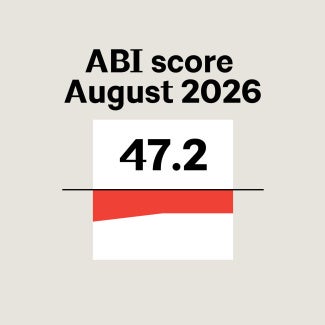
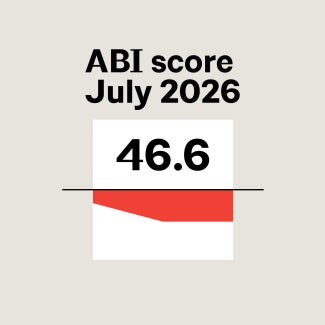
The long-term economic trajectory of the profession reflects its essential role in the built environment. Gross billings at U.S. architecture firms grew from $44 billion in 2008 to $104.1 billion in 2023—a 136% increase over 15 years. The AIA/Deltek Architecture Billings Index, the leading monthly economic indicator for nonresidential construction, has tracked the profession’s long-term growth. Architectural employment is projected to continue that trend, with an 8% increase forecast through 2033—faster than the national average for all occupations.
Architecture addresses America's biggest challenges
Beyond the economic numbers, architecture and design firms are at the forefront of the challenges that define how Americans live, work, and build community.
Housing affordability & innovation
With over 40% of the U.S. population struggling with monthly housing costs, architects are designing the solutions — developing ADU prototypes, pre-approved modular plans, and cost-effective building systems that expand supply and improve equity. California's ADU legislation demonstrates the power of architect-led design solutions paired with policy: permits grew from 1,181 units in 2016 to nearly 25,000 by 2022.
Climate change mitigation & sustainable design
Buildings account for approximately 40% of U.S. energy consumption annually. When architects design sustainable, resilient buildings, they reduce energy consumption by 30–50% compared to traditional construction. LEED-certified buildings consume 25% less energy and 11% less water, while delivering average operating cost savings of 10.5% in year one, growing to 16.9% over five years. The AIA 2030 Commitment leads the profession's effort to design all buildings to be carbon neutral by 2030.
Workplace transformation
Architects design workplaces that are healthy, productive, and worth showing up for. Thoughtful design improves air quality, access to natural light, acoustic comfort, and spatial flexibility—all of which are measurable drivers of occupant wellbeing and organizational performance. The business case is clear: Wellness-oriented office design improves productivity, reduces absenteeism, and strengthens talent retention, with tenants paying 4.4–7.7% more per square foot in rent for spaces that carry health and wellness certifications.
Explore the data, insights, and case for why architects and architecture are essential to America’s economic prosperity and sustainable future.
About the Architects & the Economy report
AIA commissioned Piedmont Crescent Capital to assess and report on the economic impact of the architecture and design industry. The financial analysis and conclusions were produced by Chief Economist Mark Vitner in conjunction with AIA's research and economic team, including AIA former Chief Economist Kermit Baker, PhD, Hon. AIA; Vice-President of Research Michele A. Russo; Senior Director Jennifer Riskus; and Senior Manager Shakira Gonzalez Peña Dubé.