
Design for Integration—Framework for Design Excellence
Good design elevates any project, no matter how small, with a thoughtful process that delivers both beauty and function in balance. It is the element that binds all the principles together with a big idea.
Design for Integration
Framing questions
- What is the concept or purpose behind this project, and how will the priorities within the nine other principles inform the unique approach to this project?
- How will the project engage the senses and connect people to place?
- What makes the project one that people will fight to preserve?
- What design strategies can provide multiple benefits across the triple bottom line of social, economic, and environmental value?
If you can do only one (or a few) things:
- Design a building to lift the spirits and delight the senses.
- Design to engage the natural and cultural environment of the place, including the climate, history, and people.
- Use an integrated design process that respects and values multiple viewpoints.
- Zero carbon: Set and articulate operational and embodied carbon goals early in the process and communicate them with the entire team. Check in with team members often to ensure the goals are being integrated throughout the project.
- Resilient: Establish resilience goals early in the process and monitor progress throughout the project.
- Equitable: Map, identify, and engage diverse project stakeholders throughout the project’s development. Articulate equity goals early in the process and check in with team members often.
- Healthy: Identify human health and well-being goals early in the process and track progress throughout the design process.
Focus topics
As individuals, we intake information through our senses, creating awareness (perception) and then processing that information into our understanding (cognition). The more senses we connect with, the more firmly we can experience a space and become attached to it. The more people attached to the building or place, the more likely the building will be celebrated and preserved over time.
Actions:
- Design for a wide range of multisensory experiences and embrace daily and seasonal cycles of daylight, air movement, temperature, humidity, scents, and weather.
- Weave together biophilic influences and strategies.
- Design to engage surroundings through sight, sound, and touch.
- When choosing materials for a project, ask the following questions:
- Does the material enhance the intent and experience of the space?
- How do materials stimulate multiple senses?
- How will people engage with the material?
- How will the material interact with natural elements, such as light, air, sound, temperature, odor (smell), etc., in the space throughout the day?
- How does the material contribute to the physical and emotional experience of the user?
- Does the material promote total human health and well-being?
- What is the environmental impact of the product? Are materials being selected based on a life cycle analysis from manufacturing through end of life?
Resources
A shared direction that all stakeholders can rally around will set the stage early for positive outcomes. Document this direction with a design charter, vision statement, or introduction to the owner’s project requirements.
Design actions:
- Write a vision statement that resonates with the stakeholders, including the client, the users, the community (refer to Design for Equitable Communities), the investors, the operators and managers, and the design team. Use the framework principles to inform the vision and develop project goals, seeking synergies between the stakeholder needs and design vision.
- Create spaces that are comfortable, walkable, vibrant, and welcoming, and encourage social interaction.
- Articulate the purpose of the building (its primary programmatic functions), design concepts, and design quality.
- Describe the quality of the interior and exterior spaces and connections between interior and exterior.
- Define how the project will support the health and well-being of the occupants.
- Define how the project can encourage the illumination or inspiration of the occupants.
Performance goals:
- Develop a project process roadmap and methods for tracking progress.
- Set and articulate operational and embodied carbon goals early in the process and communicate them with the entire team. Check in with team members often to ensure the goals are being integrated throughout the project.
- Articulate human health and well-being goals early in the process and monitor progress throughout the project.
- Establish resilience goals early in the process and monitor progress throughout the project. Resilience goals may include preparing for shocks and stresses, improving durability against climate challenges, extending the service life, providing passive survivability features, and accommodating changing conditions over the life of the building.
- Identify the anticipated service life for this project and consider how the building(s) may change over time.
- Articulate equity goals early in the process and monitor the progress throughout. Equity goals might include solutions to dismantle barriers, create pathways to access, or provide opportunities for advancement.
Resources
Understand and take full advantage of everything the site has to offer, from its deep history through the present and throughout the lifetime of the building. Understanding the natural functions of the site, the origins of human occupation, and the conditions that shaped the site may guide design choices.
Actions:
- Consider how the history of the site has influenced who uses the site and for what purposes. Identify future impacts focused on programmatic functions and public use of the site. What are the social, economic, and environmental vulnerabilities that will be impacted if this project is completed? How will this project enhance community resilience?
- Design for the climate, including observed and foreseeable hazard risks. Which hazards are the highest priority to address in the design?
- Identify opportunities to support the surrounding community; use these opportunities to establish equitable and resilient design goals at the start of the project.
- Take inspiration from nature and the cultural context of the place—including the vernacular and notable buildings from the past.
Resources
Use an integrated design process that respects and values multiple viewpoints. This approach to building design requires a multidisciplinary and collaborative team whose members make decisions based on a shared vision. This differs drastically from the previous design and construction approaches in the industry, which tended to operate in fragmented silos.
Actions:
- Begin collaborating early with engineers and specialty consultants; drawing on their expertise will add value to the project. Identify and develop strategies that support the project vision and goals.
- Use charrettes or other types of interactive meetings with your internal team, the client, user groups, and consultants to collect broad input and to better understand design and performance opportunities.
- Identify a sustainability champion to track goals and progress.
- Incorporate lessons from other disciplines—such as ecology, psychology, anthropology, and neuroscience—to appeal to universal ideals and culturally specific values.
- Diagram the relationship between the design concept and the integration of sustainability measures and environmental impacts that support the project’s goals for beautiful, high-performing design.
- Understand who the project stakeholders are and to what extent they should be engaged throughout the whole process.
Resources
- Toward Collaboration's Future: Strengthening the Architect-Contractor Relationship produced by AIA & AGC
- How To Run a Great Workshop: 37 Tips and Ideas
- Integration at its Finest
- 21st Century Development strives to provide a healthy environment for all people and living systems now and in a dynamic future
- LEED Integrative Process
Case studies
Explore AIA award recipients, including the COTE® Top Ten Award, demonstrating successful design for this framework principle.
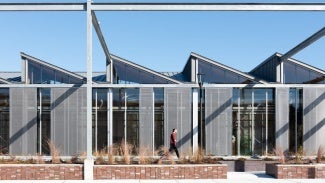
Worcester Blackstone Visitor Center
Worcester, MA | designLAB architects
Located on a former industrialized site, the Worcester Blackstone Visitor Center celebrates history through a sustainable new building and site. Community-centered spaces include flexible learning spaces, an exhibit hall, and a pedestrian bridge that invites visitors. The project represents design integration that renews the historical site for public engagement and learning.
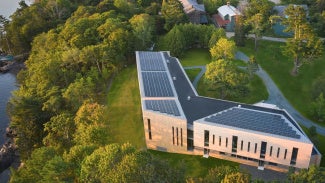
Center for Human Ecology, College of the Atlantic
Mount Desert Island, ME | Susan T. Rodriguez and OPAL
The Center for Human Ecology integrates the college’s mission and commitment to environmental stewardship, demonstrating high energy performance, resource conservation, and community engagement. Developed through community engagement aligned with the 50-year strategic vision, the building complements campus vernacular while embodying the college’s commitment to sustainability and the preservation of the natural world.
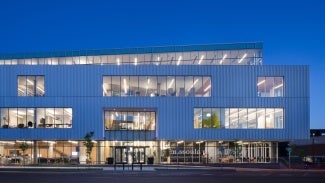
Missoula Public Library New Main Library
Missoula, MT | MSR Design and A&E Design
New Main Library serves as a cultural hub, housing four community organizations under one roof. Its design mimics natural surroundings, while the program serves the needs of the community. The project creates welcoming, accessible spaces that enhance quality of life and equity, exemplifying integrated design centered on public engagement and community well-being.
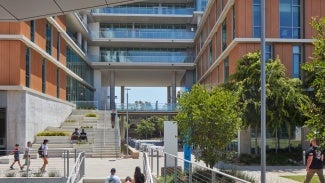
UC San Diego North Torrey Pines Living & Learning Neighborhood
San Diego, CA | HKS, Inc & Safdie Rabines Architects
NTPLLN integrates human and planet health, advancing carbon-neutral, resilient design while supporting student well-being. Thoughtful application of all framework principles enhances mental health, fosters high-performance outcomes, and demonstrates the meaningful impact of design integration on both people and the environment.
This publication is designed to provide accurate and authoritative information in regard to the subject matter covered. It is published and distributed with the understanding that the publisher is not engaged in rendering professional services. If professional advice or other expert assistance is required, the services of a competent professional person should be sought.
AIA does not sponsor or endorse any enterprise, whether public or private, operated for profit. Further, no AIA officer, director, committee member, or employee, or any of its component organizations in his or her official capacity, is permitted to approve, sponsor, endorse, or do anything that may be deemed or construed to be an approval, sponsorship, or endorsement of any material of construction or any method or manner of handling, using, distributing, or dealing in any material or product.
If you have any questions or feedback regarding the Framework for Design Excellence, please let us know.
Learn how the framework inspires and provides a toolkit for sustainable, resilient, and inclusive design.
Explore the next chapter of the Framework for Design Excellence—Design for Equitable Communities.