
Fostering resilience and regeneration
Resilience starts with design. Architects play a critical role in helping communities prepare for, withstand, and recover from disasters.
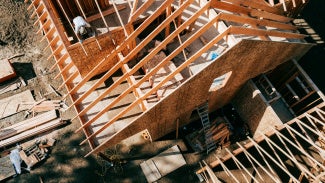
Architects strengthening community resilience
By promoting adaptable, resilient design, AIA works to reduce harm and property damage while helping communities recover from adverse events. AIA provides training and applied research that empower architects to design buildings and landscapes capable of withstanding extreme weather and disasters.
Today, architects are increasingly called upon to conduct vulnerability assessments, undertake seismic retrofitting, analyze building performance, design disaster-proof buildings, and shape new codes and land-use ordinances that strengthen the resilience of the built environment to increasing heat, flooding, and precipitation.
Equipping architects for resilient design
AIA offers practical resources to support architects’ leadership in resilient design and integrate risk awareness, hazard mitigation, and climate adaptation into projects. AIA also monitors evolving climate risks and shares data with members conducting resilience analyses in disaster-prone areas.
These resources address a wide range of disasters, including winter storms, heat waves, flooding, hurricanes, tornadoes, tsunamis, droughts, earthquakes, landslides, wildfires, and other hazards.
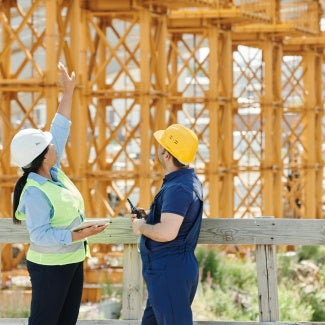

Engage in resilience and recovery
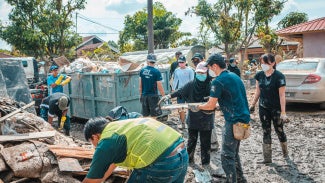
AIA disaster assistance
Learn how architects help communities mitigate risk, prepare for disasters, respond effectively, and support recovery.

Resilience & Disaster Response (RADR) Community Hub


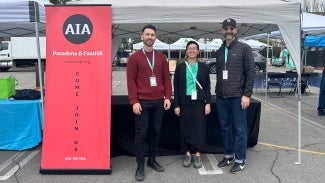
Chapter spotlight: Responding to the California wildfires
With the support of hundreds of members and allied professional volunteers, AIA California mobilized a coordinated response to provide meaningful, actionable, and sustainable support for wildfire recovery efforts.
Want to learn more about how AIA promotes resilience in the build environment—or need help getting involved?
Join the AIA Resilient Recovery Advisor Directory—connecting AIA chapters with local architects who can provide guidance, share knowledge, and support advocacy efforts when disasters impact their communities.